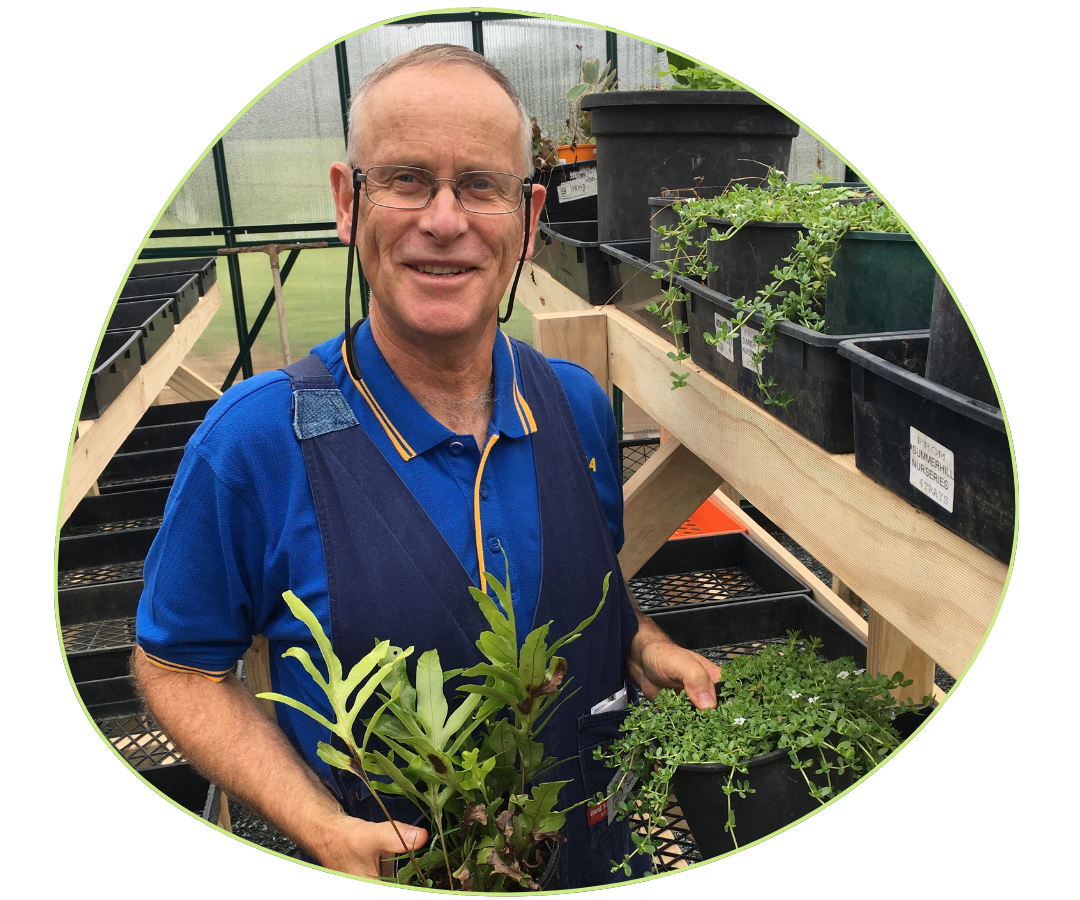
Just What does it take to grow some of these endangered herbs?

Growing Osha in Australia: Can You Cultivate Bear Medicine Here?
Osha (Ligusticum porteri) is a revered North American medicinal herb used for centuries by First Nations peoples as a respiratory medicine and ceremonial plant.
It is notoriously difficult to cultivate - it prefers mountain conditions, rich moist soil, and cold winters - and is rarely if ever grown in Australia. Christopher has attempted cultivation twice, with partial success, and is currently trialing a new batch of seed using cold stratification and mycorrhizal inoculation.
This post documents that process honestly, including what went wrong the first time and what Christopher is doing differently now.
There are herbs you read about and think: I need to grow that. Osha is one of them. The fact that almost nobody in Australia has managed it is not a reason to stop trying. It is a reason to try harder.
What Is Osha and Why Does It Matter?
Osha - known botanically as Ligusticum porteri - is a perennial herb native to the mountain regions of North America and Mexico. It belongs to the carrot family (Apiaceae) and is closely related to lovage, which gives you some idea of its appearance and aroma.
Among the First Nations peoples of North America and Mexico, Osha is one of the most important and revered medicinal plants. It is used in ceremony, in healing, and as a respiratory medicine of considerable power. It is commonly called Bear Medicine - the story being that bears seek it out after emerging from hibernation, rolling in it and eating the roots. Whether or not that is literally true, it speaks to the plant's reputation.
In North American herbal practice, Osha is used primarily for respiratory conditions - coughs, colds, bronchitis, and infections of the upper respiratory tract. It is warming, stimulating, and strongly aromatic. Herbalist Richo Cech, who covers Osha in his book Growing At-Risk Medicinal Herbs, describes it as one of the most important and most threatened herbs in the North American Materia Medica.
Is Osha an Endangered Herb?
Yes - and this is part of why growing it in cultivation matters. Osha is on the United Plant Savers (UPS) at-risk species list, meaning its wild populations are under pressure from over-harvest and habitat loss. Demand for Osha in the herbal medicine market has consistently outpaced the development of cultivated supply.
This is a pattern that repeats across many important North American medicinal herbs - Golden Seal, Black Cohosh, American Ginseng. The herbs most valued by practitioners are often the ones most at risk in the wild.
Growing Osha in cultivation - anywhere in the world, including Australia - is a direct contribution to reducing pressure on wild populations.
Can Osha Be Grown in Australia?
This is the question I have been working on for several years, and the honest answer is: possibly, with the right conditions and a good deal of patience.
Osha is a mountain plant. In its native habitat it grows at altitude - in the Rocky Mountains and Sierra Madre - in rich, moist, well-drained soil with cold winters and cool summers. It does not like heat, it does not like dry conditions, and it does not like being disturbed. It is, in short, a plant with strong opinions about where it lives.
That makes it challenging in most Australian conditions. But not impossible.
My First Attempt: What Happened
A few years ago I had a serious attempt at growing Osha in the Mountains around Canberra. I managed to get the plant established and growing well for a couple of seasons - which was encouraging. Then one autumn it went dormant as expected, and the following spring it simply did not come back.
That is a frustrating outcome, but not an unusual one with Osha. The plant is known to be temperamental in cultivation even in its native range. Richo Cech's book is candid about this - cultivation is tricky, and losses are part of the process.
What I took from that first attempt: the plant can survive in Australian mountain conditions. The challenge is getting it through the full cycle reliably, year after year.
My Second Attempt: What I Am Doing Differently
I then ordered a fresh batch of seed - two packets, 30 seeds in total. When they arrived, the first thing I noticed was the aroma. Opening the packet, a wonderful smell hit immediately - that characteristic Osha scent, which is something like a feral, rank celery. If you have grown lovage, you will know the family resemblance. Fresh, vital seed smells like that. It was a good sign.
The germination process for Osha requires patience and mimicry of its natural conditions:
Step 1: Cold Stratification
The seed goes into the fridge for two months to simulate a cold winter. Osha seed needs this cold period to break dormancy - without it, germination rates are very poor. This is non-negotiable.
Step 2: Mycorrhizal Inoculation
Before planting, I treat the seed with Mycogold - a mycorrhizal fungal preparation. Osha, like many mountain plants, forms important relationships with soil fungi in its native habitat. Introducing mycorrhizal fungi at the seed stage gives the young plant the best possible start in soil that does not naturally contain its preferred fungal partners.
Step 3: Planting
Into rich, moist, well-drained soil in a position that gets some protection from the harshest summer heat. At altitude (500metres+) that is achievable. In lower, hotter parts of Australia, it would be much more difficult.
Growing rare herbs is a long game, and Osha is one of the longer ones.
What Growing Conditions Does Osha Need?
Based on my experience and the available literature, here is what Osha requires:
Climate: Cool to cold winters, cool summers. Mountain or high-altitude conditions suit it best. It does not tolerate prolonged heat.
Soil: Rich, moist, well-drained. High organic matter. Good drainage is essential - it will not tolerate waterlogging.
Light: Partial shade to full sun, depending on temperature. In warmer conditions, some afternoon shade is beneficial.
Water: Consistent moisture, particularly during the growing season. Do not let it dry out.
Mycorrhizal fungi: Strongly recommended at planting. This plant evolved with fungal partners and benefits significantly from their presence.
Patience: Osha is slow. It may take several years to establish a productive plant. Do not rush it.
Frequently Asked Questions About Growing Osha
Where can I buy Osha seed in Australia?
Osha seed is not commonly available through Australian nurseries or seed suppliers. All Rare hebs has had it in stock. It generally needs to be sourced from specialist seed suppliers. Expect to pay a premium for quality seed, and check that it is fresh - old Osha seed has very poor germination rates. The aroma test is a useful indicator: fresh seed smells strongly of that characteristic celery-like Osha scent.
How long does Osha take to germinate?
After cold stratification, Osha can take several weeks to germinate, and germination is often uneven. Do not give up on a tray too quickly - some seeds may take considerably longer than others. Patience is essential at every stage of growing this plant.
Can Osha be grown in pots?
It is possible, but challenging. Osha has a deep taproot and does not like being confined or disturbed. If growing in a pot, use a deep container with excellent drainage and rich compost-based mix. Be prepared to pot up carefully as the plant develops, and do not let it dry out.
What is Osha used for medicinally?
Osha is used primarily as a respiratory herb - for coughs, colds, bronchitis, and upper respiratory infections. It is warming and stimulating, with strong antimicrobial properties. It is also used in First Nations ceremony and is considered a plant of significant spiritual importance in its native cultures. Always consult a qualified herbalist before using Osha therapeutically.
Is Osha the same as Lovage?
No, though they are related - both belong to the Apiaceae (carrot) family and share some aromatic similarities. Lovage (Levisticum officinale) is a European culinary and medicinal herb. Osha (Ligusticum porteri) is a North American medicinal herb with quite different therapeutic applications. The family resemblance in aroma is real, but they are distinct plants with distinct uses.
Why This Matters
Osha is the kind of herb that tests a grower's commitment. It is not easy, it is not quick, and there are no guarantees. But the reasons to try are real: it is a genuinely important medicinal plant, it is under pressure in the wild, and almost nobody in Australia is growing it.
That last point matters more than it might seem. Every rare medicinal herb that gets successfully established in Australian cultivation is a small but genuine contribution to the global picture of herbal conservation. And the knowledge of how to grow it - what works, what does not, what the plant actually needs - is knowledge worth building and sharing.
This is exactly the kind of work we document and discuss inside Herbology Hub. Not just the successes, but the attempts, the failures, and the lessons. Growing rare medicinal herbs is a long game, and it is better played with company.
If you are interested in the broader picture of rare herb cultivation in Australia, read my post on why I started growing medicinal herbs - it gives context for why this kind of work matters beyond the individual plant.
Image Source - JerryFriedman, CC BY-SA 3.0 <https://creativecommons.org/licenses/by-sa/3.0>, via Wikimedia Commons