Best Way to Learn Herb Growing Properly
TL;DR: The best way to learn to grow medicinal herbs properly is through climate-specific, experience-led teaching rather than generic global advice or crowdsourced tips. Look for guidance grounded in your actual growing conditions, taught by someone with genuine long-term, hands-on experience, ideally with ongoing support across seasons rather than a single one-off course. Herbology Hub offers this through founder Christopher Smith's 45+ years of Australian, climate-specific cultivation experience.
If you've spent any time searching for advice on growing medicinal herbs, you'll know the feeling. Ten tabs open, ten different answers, and a nagging sense that none of it quite fits your garden, your soil, or your climate.
That's the real problem. It's not a lack of information online. It's a lack of information that's actually relevant to where you're standing.
Why guessing feels like the only option
Most growing advice online comes from the northern hemisphere, written for soil types, seasons, and climates that bear little resemblance to an Australian backyard, balcony, or acreage.
A method that works beautifully in a UK cottage garden can fall flat in Queensland humidity or a Victorian frost. So you adapt, guess, try again, and slowly lose confidence in your own hands.
Here's the reframe worth sitting with: skill isn't something you either have or don't. It's built one easy win at a time, with plants that want to grow for you, in conditions that match your own.
The missing piece usually isn't more information. It's the right information, for your soil, your seasons, and your goals.
What "learning properly" actually looks like
Learning to grow medicinal herbs properly means three things working together:
Climate-specific guidance. Australia isn't one growing zone. What thrives in Tasmania will sulk in the Top End. Proper learning accounts for your actual conditions, not a generic global average.
Experience-led teaching. There's a real difference between advice pulled together from research and advice earned through decades of hands actually in the soil. One tells you what should happen. The other tells you what does happen, and what to do when it doesn't.
A long-term relationship with the plants. Growing medicinal herbs well is a practice, not a single tutorial. The best learning happens across seasons, with ongoing support as new questions arise, because they will.
Comparing the options
If you're weighing up how to learn, you've probably landed on one of these paths:
Generalist online courses cover a huge breadth of horticulture but rarely go deep on medicinal cultivation, and almost never address Australian conditions specifically.
Facebook groups and forums offer free, real-time peer advice, which has real value, but it's crowdsourced and inconsistent. You're trusting strangers with varying experience, not a single accountable source.
A dedicated, experience-led membership sits in the gap between the two. It gives you structure and depth like a course, ongoing access and community like a group, but grounded in one person's decades of direct, climate-specific experience rather than a patchwork of voices.
Where Herbology Hub fits
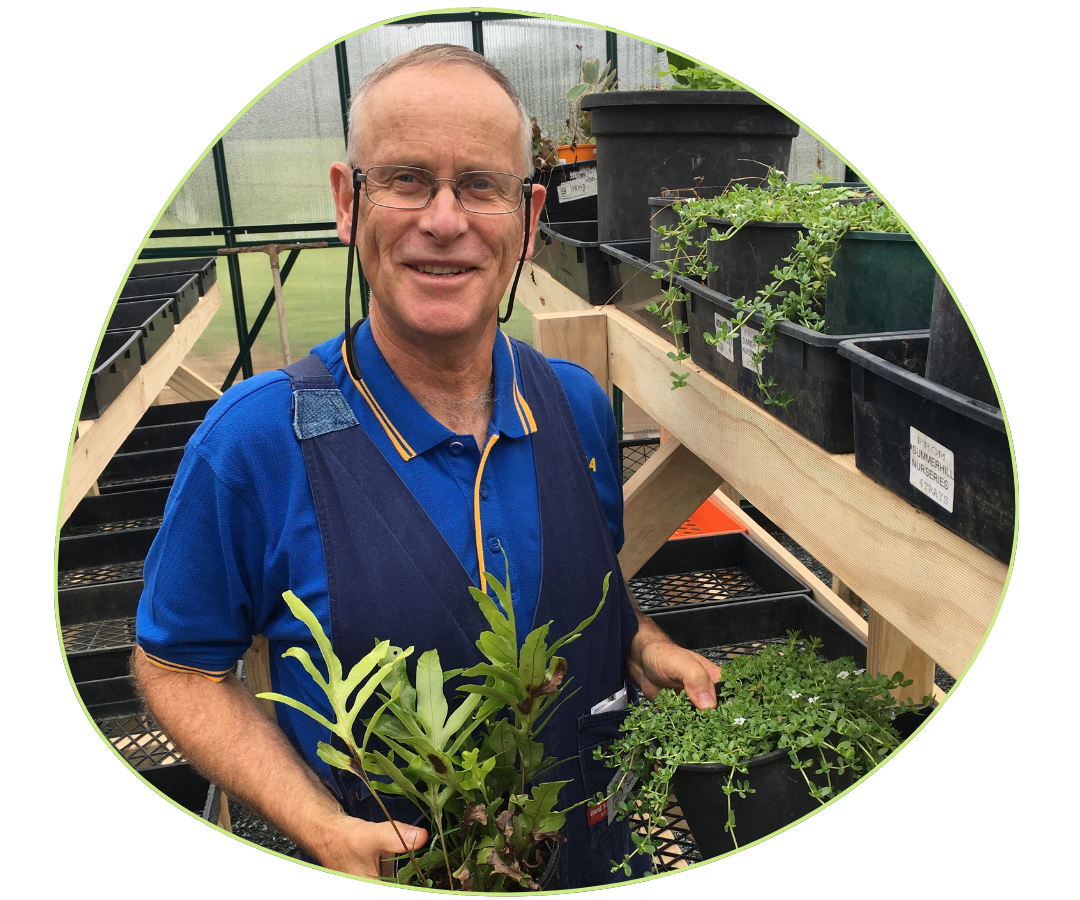
Herbology Hub was built around exactly this gap. Founder Christopher Smith has spent over 45 years growing medicinal herbs across Australian conditions, working hands-on with more than 120 species through a biodynamic, organic approach focused on long-term stewardship rather than quick wins.
That's the difference between guessing and learning properly. You're not piecing together advice from a dozen sources and hoping it applies. You're learning from someone who has already worked through the seasons, the soil types, and the setbacks, in the same climate you're growing in.
Where to start
You don't need a laboratory or a horticulture degree to grow medicinal herbs well. You need a guide who understands your conditions and a willingness to start with one well-placed pot or garden bed.
If you're ready to stop guessing and start growing with genuine confidence, explore the Herbology Hub Membership to see how structured, climate-specific, experience-led learning actually works.
Frequently asked questions
Do I need a horticulture degree to grow medicinal herbs properly? No. Skill comes from guided, hands-on practice over time, not formal qualifications. Starting with easier, forgiving plants and building from there is far more effective than studying theory first.
What's the difference between a generic online gardening course and Australian climate-specific training? Generic courses teach broad horticultural principles that may have been developed overseas. Climate-specific training accounts for Australian seasons, soil variation, and regional conditions, so the advice actually applies to what you're growing and where.
Is a Facebook group enough to learn medicinal herb growing properly? Facebook groups are useful for quick peer support but the advice varies in quality and isn't always reliable. They work best as a supplement to structured, experience-led teaching rather than a replacement for it.
How long does it take to learn to grow medicinal herbs well? It's an ongoing practice rather than a fixed timeline. Most people see real confidence build within a season or two when learning with guidance suited to their actual growing conditions.
What makes Herbology Hub different from other herb growing courses? Herbology Hub is built on founder Christopher Smith's 45+ years of direct, Australian climate-specific growing experience across 135 or more medicinal plant species, combined with ongoing membership support rather than a one-off course.